
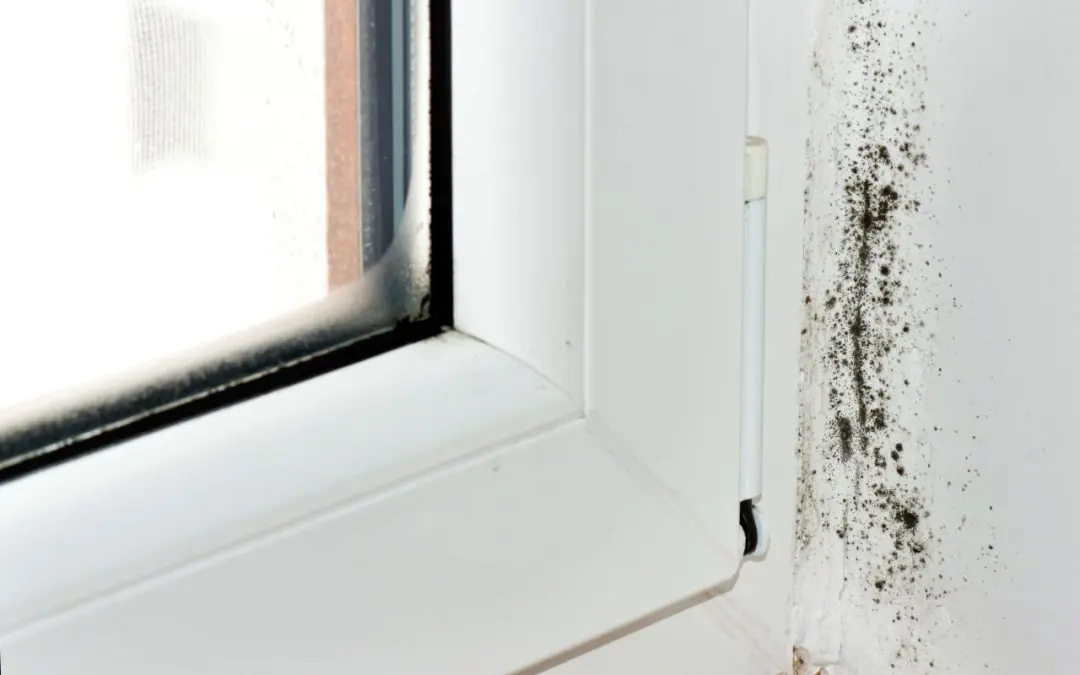
Mold growth is one of the most common hidden problems homeowners face, often developing quietly before becoming a serious concern. From subtle odors to visible discoloration, the signs of mold can be easy to overlook until damage or health symptoms appear. Understanding what to watch for helps homeowners take action early, protect their property, and maintain a healthier living environment.
Understanding Mold Growth in the Home
Mold growth occurs when moisture, organic material, and limited airflow combine. Homes naturally contain mold spores, but problems arise when conditions allow those spores to multiply. Bathrooms, basements, kitchens, attics, and areas affected by leaks or humidity are especially vulnerable. Because mold often forms out of sight, recognizing early indicators is essential.
Visible Signs of Mold
One of the most obvious signs of mold growth is discoloration on surfaces. Mold may appear as black, green, white, or even orange patches on walls, ceilings, floors, or around windows. These spots may start small and spread over time, particularly in damp or poorly ventilated areas. In some cases, mold resembles dirt or staining, leading homeowners to mistakenly clean it without addressing the underlying moisture problem.
Musty Odors That Signal Mold Growth
A persistent musty or earthy smell is a common indicator of mold, even when no visible mold is present. This odor often develops in enclosed spaces such as closets, crawl spaces, or behind walls. If a room consistently smells damp despite cleaning and ventilation, mold may be present behind surfaces or under flooring.
When Water Problems Turn Into Bigger Concerns
Past or ongoing water issues significantly increase the risk of mold. Roof leaks, plumbing failures, foundation seepage, and flooding all create ideal conditions for mold. Even minor leaks under sinks or around appliances could lead to mold growth if moisture remains trapped. Homeowners should be especially vigilant after water-related incidents, as mold can begin to develop within 24 to 48 hours.
Physical Symptoms Linked to Mold
Mold growth affects indoor air quality and may trigger physical symptoms in some individuals. Common reactions include headaches, nasal congestion, coughing, itchy eyes, or skin irritation. These symptoms may worsen when spending time in certain areas of the home and improve when away. While not everyone reacts to mold in the same way, recurring symptoms could be a sign that mold should be investigated.
Mold Growth in Hidden Areas
Not all mold growth is easily visible. It often develops behind drywall, under carpets, inside HVAC systems, or above ceiling tiles. Peeling paint, bubbling wallpaper, warped materials, or unexplained stains may indicate hidden mold caused by trapped moisture. Condensation on windows or walls can also signal humidity levels that encourage mold development.
How Humidity Contributes to Mold Growth
High indoor humidity is a major contributor to mold growth. Homes with poor ventilation, especially in bathrooms and kitchens, often experience moisture buildup. Condensation on surfaces, damp air, and slow-drying areas all create conditions that are favorable for mold growth. Maintaining balanced humidity levels helps reduce the likelihood of mold taking hold.
When Mold Becomes a Structural Concern
Over time, mold growth can weaken building materials, including drywall, wood framing, insulation, and flooring. As mold feeds on organic matter, it could compromise the integrity of these materials and lead to costly repairs. Early detection and moisture control are key to preventing long-term structural damage associated with mold.
Recognizing the signs of mold growth allows homeowners to act quickly and confidently. By staying alert to changes in smell, appearance, and indoor conditions, it becomes easier to protect both the home and the people living in it.
Frequently Asked Questions (FAQs)
Is all mold dangerous?
Not all mold poses the same level of risk, but any mold indoors should be addressed. Some types are more likely to cause allergic reactions or respiratory issues, while others primarily cause property damage. Identifying and correcting the moisture source is critical regardless of mold type.
Can mold return after cleaning?
Mold can recur if the underlying moisture problem remains unresolved. Cleaning visible mold without addressing underlying issues such as leaks, humidity, or inadequate ventilation often results in recurring mold. Long-term prevention focuses on moisture control rather than surface cleaning alone.
How quickly does mold growth develop?
Mold growth can begin within one to two days when moisture is present. This rapid development is why prompt attention to leaks, spills, and water damage is essential to preventing widespread mold.
Does mold affect home value?
Yes, unresolved mold can negatively affect a home’s value. Buyers may view mold as a sign of poor maintenance or hidden damage, and remediation could become a negotiation point during a sale. Addressing mold early helps protect both property condition and marketability.
When should a professional be consulted for mold growth?
A professional should be consulted when mold growth is widespread, keeps returning, or is suspected in hidden areas. Professional evaluations can help identify moisture sources, assess the extent of mold, and recommend appropriate next steps.
M&S Home Inspections offers comprehensive home inspection services in Eastern North Carolina. Contact us to schedule our services today.