
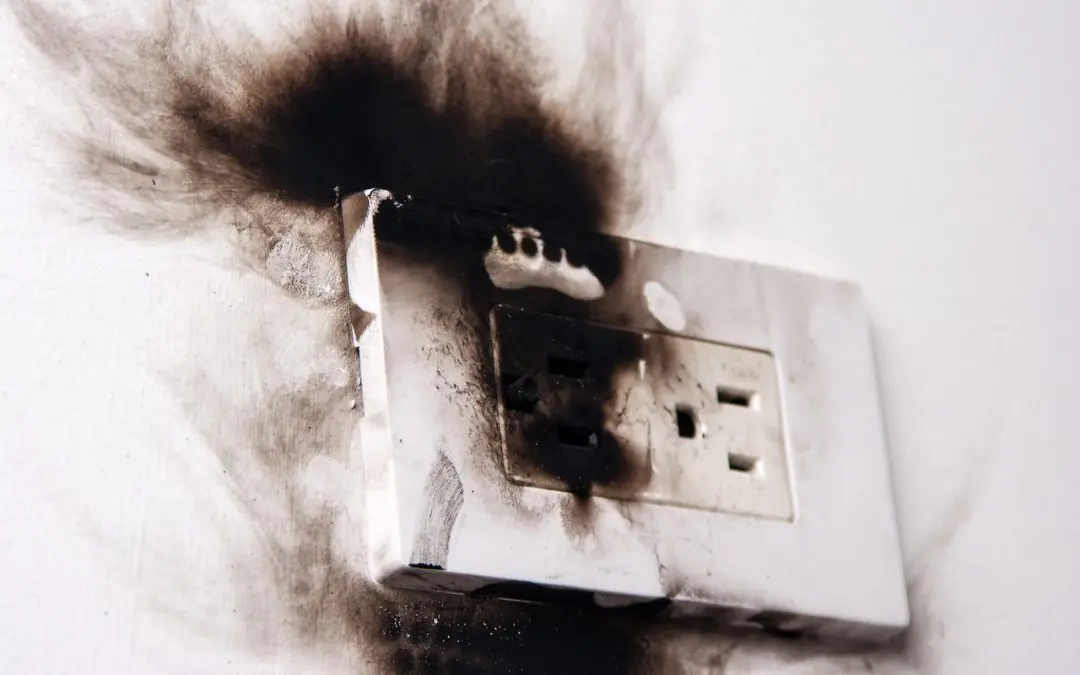
Electrical safety plays a crucial role in protecting your home from unexpected hazards. Many of the conveniences you rely on each day depend on electricity, but that power also comes with risks when systems, outlets, or appliances are damaged or misused. Taking time to understand how electrical safety works helps you maintain a safer home, avoid costly issues, and protect your family from preventable accidents. Even newer homes develop problems over time, making routine awareness and good habits essential.
Common Causes of Electrical Issues in the Home
Many electrical problems start small and go unnoticed until they become a larger concern. Frayed cords, overloaded outlets, aging wiring, and loose connections can all increase the likelihood of overheating or sparks. Homeowners often assume these issues only happen in older homes, but modern houses experience their fair share of electrical concerns as well. Devices draw more power than ever before, and homes built even a decade ago may not be designed to handle today’s electrical load. Staying alert to unusual signs such as flickering lights, warm switch plates, or frequently tripped breakers will help you address problems early.
Electrical Safety and Proper Use of Outlets
One of the most effective ways to support electrical safety in your home is by understanding how to use outlets correctly. Overloading a single outlet or power strip puts unnecessary strain on your electrical system. High-demand appliances, such as space heaters, microwaves, and hair dryers, should be plugged directly into the wall rather than using extension cords. Surge protectors are helpful for electronics, but they are not a complete solution for preventing hazards. When in doubt, spread out your devices across multiple circuits to avoid overheating.
Electrical Safety for Appliances and Everyday Devices
Appliances make daily life easier, but they require proper handling to support electrical safety. Checking cords regularly, replacing damaged plugs, and keeping appliances away from water sources reduces the risk of shocks or malfunctions. Large appliances such as refrigerators, washers, and dryers may need their own dedicated circuits to operate safely. It is also important to unplug small appliances when not in use, especially those in kitchens and bathrooms. These simple habits significantly reduce the chance of electrical issues and extend the life of your devices.
Safe Habits for Using Extension Cords and Power Strips
Extension cords are convenient, but they should not be treated as permanent wiring solutions. Using them responsibly is a key part of electrical safety. Cords should lie flat without being pinched under furniture or carpets. Indoor and outdoor cords are not interchangeable, and using the wrong type could create serious hazards. If you find that you are relying on extension cords throughout the home, it may be time to install additional outlets or upgrade your electrical panel. This not only improves electrical safety but also enhances your home’s functionality.
Why Professional Electrical Inspections Matter
Scheduling an inspection with a qualified professional is one of the most reliable ways to guarantee electrical safety. Inspectors will identify outdated wiring, overloaded panels, or improper installations that may not be visible to homeowners. An inspection is crucial when buying a home, undertaking renovations, or installing large appliances. Electrical codes evolve over time, and what was once acceptable may no longer be considered safe today. A professional evaluation gives you peace of mind and helps you stay ahead of potential hazards.
Protecting Children and Pets Around Electrical Components
Children and pets are naturally curious, which adds another layer of importance. Outlet covers, secured cords, and safe device placement protect little ones from accidental contact. Keeping cords out of reach, securing loose wires, and avoiding accessible power strips in play areas helps reduce risk. Teaching children about electrical safety early builds lifelong habits and fosters a safer home environment.
Outdoor Electrical Safety Around Your Property
Electrical safety extends beyond the walls of your home. Outdoor lighting, power tools, extension cords, and holiday decorations must be handled with the same level of care. Weatherproof outlets, proper grounding, and outdoor-rated fixtures help protect your home from moisture-related hazards. When working outside, especially in areas near water or in damp conditions, always double-check that the equipment is rated for outdoor use. Maintaining awareness of overhead power lines when trimming trees or handling tall equipment is another important step in outdoor safety.
Frequently Asked Questions (FAQs)
What are the most common signs of electrical issues?
Flickering or dimming lights, frequent breaker trips, warm outlets, and burning smells are some of the earliest signs of electrical problems.
How often should I schedule an electrical inspection?
Most homeowners benefit from an inspection every few years, although older homes or those undergoing renovations may require more frequent evaluations.
Can I fix electrical issues myself?
Minor tasks, such as replacing light bulbs, are fine, but a licensed electrician should always handle wiring and outlet repairs to guarantee safety and avoid serious risks.
M&S Home Inspections offers comprehensive home inspection services in Eastern North Carolina. Contact us to schedule our services today.